Green Initiatives: How E-Waste Recycling Services Are Protecting Our Planet
Electronic waste presents serious dangers to the environment, as discarded electronics often contain toxic materials. Such dangerous compounds can pollute soil and water supplies, leading to broader ecological damage. Electronic waste recycling programs offer an effective remedy. They serve the dual purpose of reclaiming precious materials and reducing contamination. Understanding how these services operate and their impact on communities is essential. Pursuing efficient e-waste management brings forth pressing questions regarding individual duties and shared responsibility. What steps can be taken next?
How E-Waste Is Hurting the Planet
Even though technological advancements improve our daily lives, e-waste poses considerable environmental hazards. Discarded electronic devices, commonly laden with hazardous materials such as lead, mercury, and cadmium, can leach toxins into the surrounding soil and water supply, posing risks to ecosystems and human health. The accelerating rate of technological innovation leads to greater consumer replacement of electronic devices, exacerbating the accumulation of discarded electronic materials.
Landfills, already burdened with waste, struggle to accommodate the growing volumes of discarded gadgets. Incineration, a common waste management technique, emits dangerous pollutants into the environment, degrading atmospheric conditions. Moreover, poor recycling procedures can cause e-waste to be sent to developing regions, where employees may disassemble electronics without sufficient safety precautions, leaving them vulnerable to harmful substances. This cycle of neglect and improper handling underscores the urgent need for sustainable recycling solutions that can mitigate the adverse effects of e-waste on the planet.
Understanding E-Waste and Its Significance
E-waste, also referred to as electronic waste, includes obsolete electronic products like televisions, computers, and smartphones that have exceeded their operational lifespan. This rapidly expanding waste category is noteworthy due to its rapid accumulation, propelled by advances in technology and evolving consumer behaviors. As growing numbers of electronics become outdated, the ecological consequences become more pronounced, with harmful substances like lead, mercury, and cadmium presenting serious hazards to the environment and human well-being.
The significance of tackling e-waste extends beyond minimizing these risks to recognizing the valuable resources it holds. Valuable metals and rare earth materials can be extracted and repurposed, lessening the demand for mining and preserving natural resources. Through a deeper awareness of e-waste and its consequences, both individuals and organizations can make well-informed choices regarding disposal and recycling, thereby supporting a more sustainable future. Effective handling of e-waste is vital for encouraging a circular economy and advancing environmental responsibility.
The Way E-Waste Recycling Functions
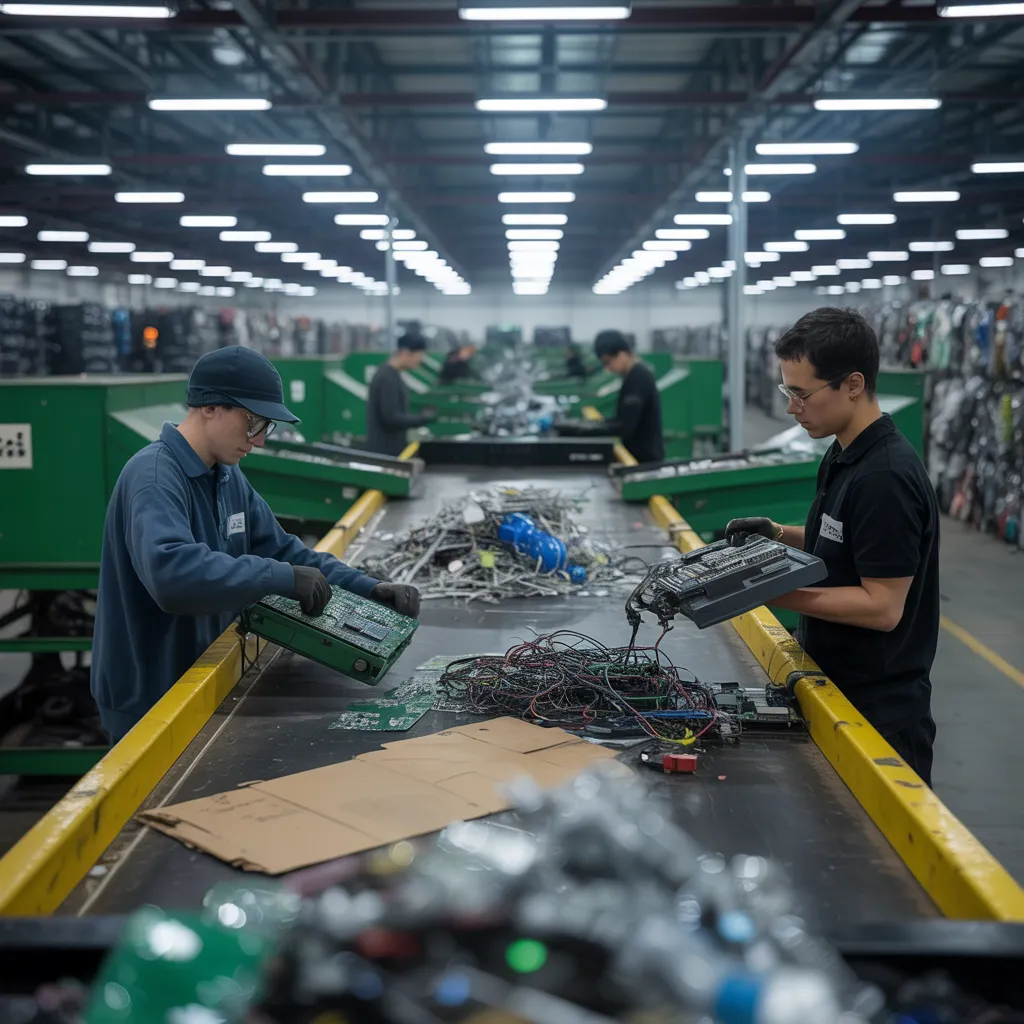
Recycling e-waste involves an organized procedure aimed at reclaiming useful resources while limiting ecological damage. To begin, electronic waste is gathered and delivered to specialized recycling facilities. Once there, the devices undergo thorough sorting to separate hazardous components from recyclable materials.
Subsequently, technicians break down the devices, separating metals, plastics, and glass. This stage is crucial, as it allows for the extraction of high-value metals like silver, gold, and copper, which may be utilized in new electronic products.
Afterward, the isolated materials are treated via cutting-edge techniques, such as mechanical shredding and chemical processing, to purify them for repurposing.
Ultimately, the remaining hazardous materials are disposed of responsibly, complying with environmental guidelines. This systematic method not only saves important resources but also reduces the dangers linked to unsafe e-waste handling, guaranteeing a greener future for the consumption of electronics.
How E-Waste Recycling Benefits You and Your Community
While many individuals may not realize it, the benefits of e-waste recycling reach well past personal use to meaningfully influence entire communities. By responsibly disposing of electronic waste, individuals play a role in creating a safer environment, decreasing harmful substances that can seep into soil and water. This proactive approach works to protect local ecosystems and supports public health.
Furthermore, electronic waste recycling supports the creation of jobs in communities. Regional recycling centers frequently need staff for numerous tasks, including collection and processing, consequently creating meaningful employment for local residents. This not only boosts the local economy but also encourages community engagement in sustainable practices.
Furthermore, familiarity with e-waste recycling can lead to awareness campaigns, encouraging residents to pursue greener alternatives. By taking part in e-waste recycling programs, individuals cultivate a culture of sustainability, inspiring others to embrace similar practices. All things considered, the cumulative impact of these actions can contribute to a more resilient and environmentally responsible community.
How to Pick an E-Waste Recycling Service
Choosing the most suitable e-waste recycling service is vital for ensuring that e-waste is handled with responsibility and sustainability. First, people should verify the company's certifications, such as R2 or e-Stewards, which demonstrate compliance with established benchmarks for secure waste disposal procedures. Additionally, it is advisable to assess the provider's standing by reading customer reviews and obtaining recommendations from trusted sources.
Furthermore, clarity in the recycling process is essential. A dependable service should supply straightforward details about how e-waste is processed and what happens to the materials. Furthermore, considering the scope of services provided can prove valuable; certain providers may offer collection services or present rewards for recycling.
Finally, being aware of local guidelines related to e-waste disposal may further shape the selection process. When these considerations are given priority, consumers can play a role in efficient electronic waste handling alongside encouraging eco-friendly habits.
Ways You Can Participate in E-Waste Recycling?
Getting involved with e-waste recycling often starts at the local level, where community recycling hubs frequently offer essential services for safe disposal. Moreover, participating in community awareness campaigns can amplify efforts to raise awareness about the importance of responsible e-waste management. These initiatives not only advance environmental sustainability but also build a collective sense of accountability for the environment.
Regional Recycling Centers
Many local recycling centers play an essential role in recycling electronic waste, providing communities with accessible options to handle electronic waste in a responsible manner. These centers accept a selection of electronic devices, including outdated computers, mobile phones, and See the full post TVs, guaranteeing that dangerous substances are processed safely. Many hubs feature trained staff who support individuals in understanding proper disposal practices, stressing the significance of recycling instead of landfilling. In addition, various hubs coordinate organized drop-off opportunities or appointed collection periods, allowing residents to take part with ease. Through the use of these community services, people help build a circular economy, minimizing ecological impact and fostering sustainable behaviors. Engaging with these centers allows communities to address e-waste pollution proactively.
Public Awareness Initiatives
Local organizations, schools, and businesses can collaborate to host events that promote e-waste collection drives. Dedicated participants can take a leading part in raising awareness, sharing informational resources, and connecting with local residents. By means of these joint initiatives, community members grow more knowledgeable and inspired to dispose of their electronics responsibly, thereby helping to build a greener and more sustainable tomorrow.
Questions We Often Receive
Which Types of Electronics Are Recyclable?
Various electronics are able to be recycled, including laptops, televisions, smartphones, printers, computers, and gaming consoles. Moreover, accessories such as mice, keyboards, and batteries are also suitable for recycling, aiding in sustainable environmental practices.
Is There a Cost Associated With E-Waste Recycling?
Indeed, e-waste disposal sometimes comes with fees, depending on the facility. Some facilities charge fees for collection or processing, while some providers offer free services, frequently supported by the resale of recovered materials.
How Do Businesses Gain From E-Waste Recycling?
Companies can take advantage of e-waste recycling by lowering disposal expenses, strengthening their ecological standing, meeting compliance standards, recovering valuable materials, and potentially generating revenue through resale, thus supporting a greener and more sustainable operational framework.
What Happens to Data on Recycled Devices?
Data on recycled devices is commonly completely removed or eliminated during the refurbishment process. This ensures confidential data is kept safe, preventing unauthorized access while permitting resources to be repurposed safely and responsibly in new products.
Can I Recycle Broken Electronics?
Indeed, broken electronics are able to be recycled. Numerous recycling centers process defective devices, ensuring safe disposal and extraction of precious materials. This helps minimize harm to the environment while promoting eco-friendly recycling methods to handle electrical waste responsibly.